Experiential Learning in Journalism Education: Real-World Reporting and Mentorship with Dino Chiecchi


How does experiential learning prepare college students for real-world careers?
At Texas State, journalism students don’t just study reporting — they do it. They cover major news events and interview real people. Students report on impactful stories like the aftermath of the school shooting at Robb Elementary School in Uvalde and the 2026 deadly Central Texas flooding.
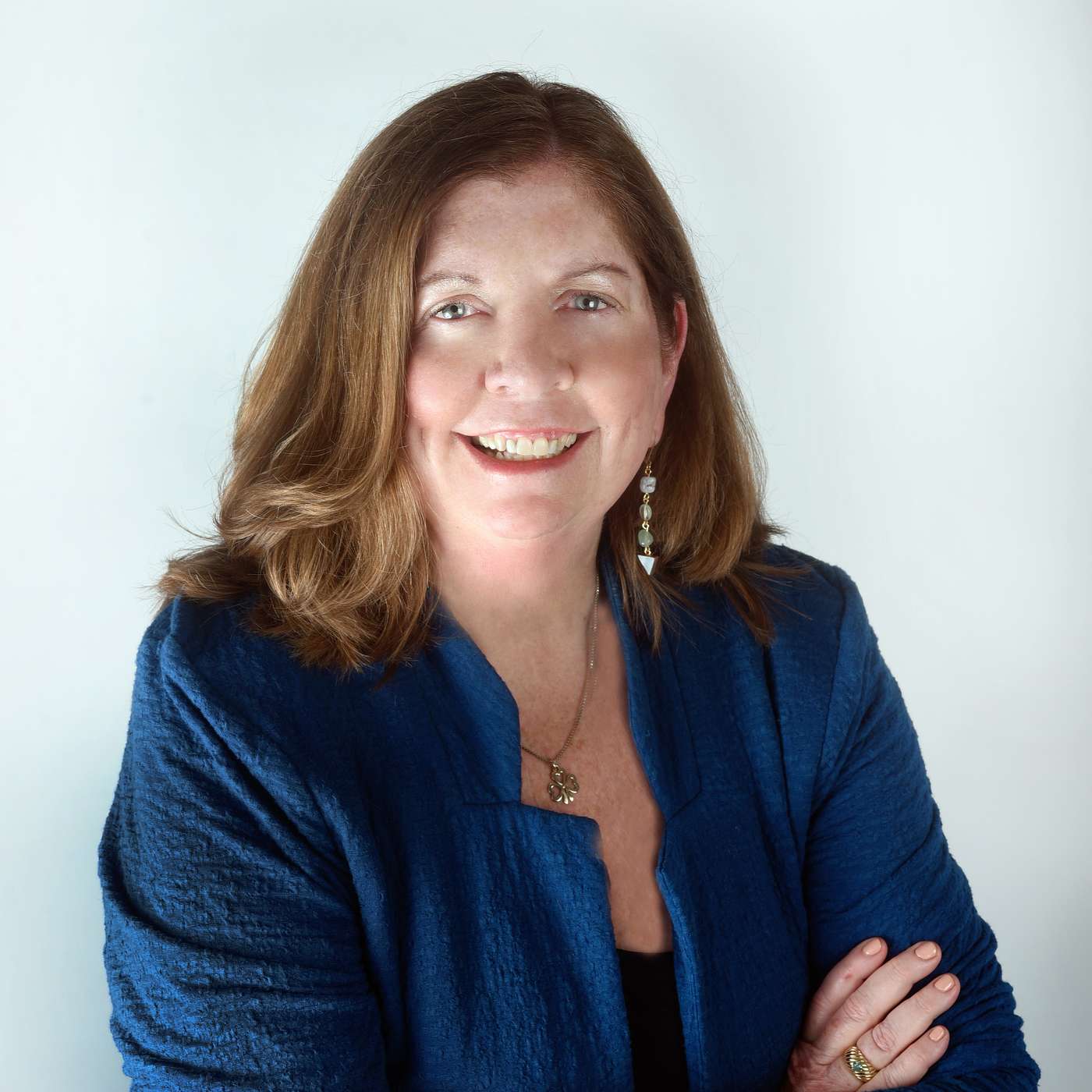
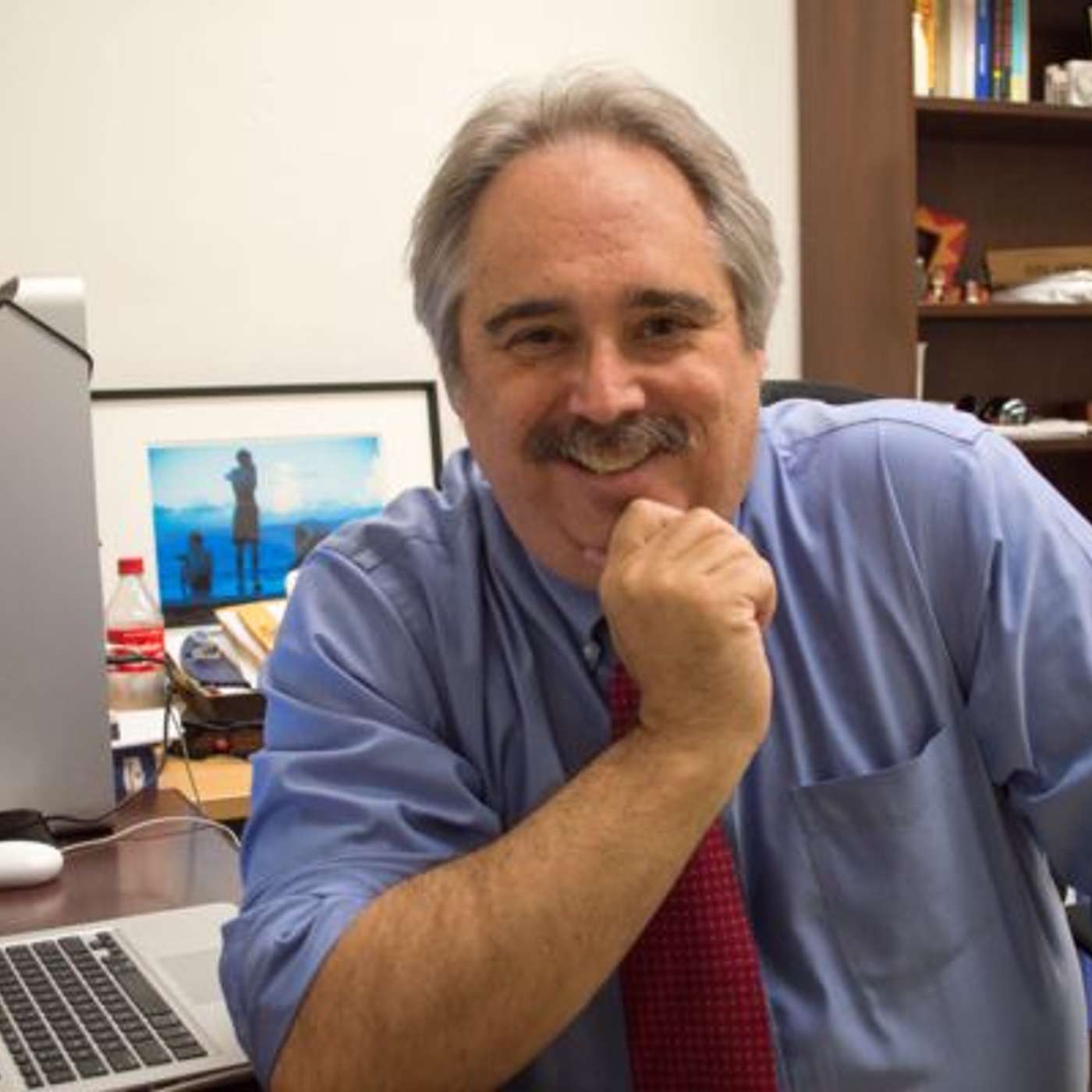
In this episode of Stories of Change and Creativity, Judy Oskam talks with Dino Chiecchi, associate professor of practice at Texas State University. He's a veteran journalist with more than 30 years of newsroom experience.
During our conversation, we explore how classroom instruction meets professional practice. We talk about why mentorship and real-world experience matter in higher education.
What You’ll Learn
• Why experiential learning helps students build professional skills
• How expert faculty elevate classroom learning
• The importance of mentoring in developing confidence and resilience
• How students can publish meaningful work before they graduate
• Why telling the stories about real people matters
The articles written by Texas State University students were published in the Austin American Statesman and the Texas Standard. Check out the SJMC website for more information.
You can learn more about Professor Chiecchi's book here:
Josue: A Young Man's Life Lost to Suicide.
Did you enjoy this episode? send me a text!
Stories that Spark Change and Creativity
Join me for conversations with students, artists, professors, entrepreneurs, writers and everyday change makers.
You can listen to Stories of Change and Creativity on all major platforms.
Do you have an idea for a guest interview? Please let me know.
Check out my TEDx talk. Why you should take action - then figure it out.
#change #creativity #personalgrowth #creativemindset
00:02 - Are Students Ready For Work
00:12 - Show Intro And Host Setup
00:58 - Meet Professor Dino Chiecchi
01:48 - From Texas to Hong Kong
04:20 - From Editor To Mentor
05:24 - Four Steps To a Journalism Job
06:33 - Reporting People Not Numbers
07:40 - Teaching Empathy And Safety
09:21 - Publication Wins And Impact
11:24 - Student Resilience And Growth
12:34 - Dino's Book
15:55 - Telling important stories
17:06 - Building A Semester Pipeline
18:20 - Paying It Forward
19:35 - Takeaways And Closing
Judy Oskam:
Are college students truly prepared for the real world when they graduate? Or are they still waiting for their first real opportunity? Welcome to Stories of Change and Creativity. I'm Judy Oskam. And in my years as a professor, I've found that students learn best through experience. You know, when they connect to the real world, they tackle real issues, solve real problems, and they work with real people. Experiential learning bridges the gap between theory and practice. At Texas State University, journalism students don't just study reporting, they do it. They cover major news events, they interview community members, they publish in respected media outlets before they graduate. This happens when classroom instruction meets professional practice. Our students are guided by Professor Dino Chiecchi He's got more than 30 years of newsroom experience. I wanted you to hear his story and how he mentors students to do work that truly matters. I love it. And give us your title, if you would.
Dino Chiecchi:
I am the an associate professor of practice at Texas State University.
Judy Oskam:
Great. And I'm super excited to talk with you. And you've been on my list for a long time. I have the pleasure of working with you, and I have seen some of the fantastic things you do. And we're going to talk about kind of getting students out of the classroom and doing things, which you kind of have the magic. But before you were in the classroom, you were in the newsroom. Can you give us a little background about your I was.
Dino Chiecchi:
I was in newsrooms all over the place. Yeah. All over the world. Actually, all over the world, yeah. I started my hometown of El Paso at the El Paso Herald Post. I began my career there as an intern. And what happened was that I had such a successful internship that as people got sick, as they went on vacation, spring break came, whatever it was, I began to fill in those gaps. Well, those gaps became a full-time job after a bit of time. So I worked there for about four and a half years and I had a wonderful time doing it. I learned so much at an afternoon newspaper that one day the phone rang, and it was the city editor at the Austin American Statesman. He had heard my name through a network of journalists, and he said, I understand that you are a police reporter and you are Spanish capable. And I said, In fact, I am. I'm almost fluent. He said, Would you like to come work for us? I said, Well, in fact, I would. So I sent him my resume and examples of my work, and I got hired over the phone. I worked at the Austin American Statesman for about a year and a half.
Judy Oskam:
Yeah.
Dino Chiecchi:
Then I had an opportunity at the San Antonio Express News. And it was a bigger paper, more prestigious, larger city, et cetera. So I took that job and I worked there for a total of 19 years over two different runs. During my time at the Express News, I was offered an opportunity to go work in Hong Kong. Rupert Murdoch owned a paper in Hong Kong as well as the San Antonio Express News. And they want to start an exchange program among their journalists. So I get called into the editor's office one day, an office I've never been inside of. And I'm just terrified. Why am I in here? You're in trouble again. Oh my God, what did I do wrong? And so the city editor looks at my face and I'm just totally blanched and says, You don't know why you're in here, do you? I got no idea. Why am I in here? And so the meeting began and they said, We want to send you to Hong Kong. And I knew exactly what Hong Kong was. It was a British territory at the time, southern tip of China, South China. See, all of that. I had studied my geography beforehand, not knowing I was going to get there soon. Sure. And they said, You got a week to think about it. I went back an hour later. Let's do it. How could I say no to such an opportunity? Yeah.
Judy Oskam:
Yeah.
Dino Chiecchi:
So I lived, I lived there for three months and worked there for that period of time. And it was, it was wonderful. It changed my life, my perspective on everything. I became a better person because of that opportunity.
Judy Oskam:
Yeah, a Texas boy ending up in China.
Dino Chiecchi:
An El Paso boy project.
Judy Oskam:
Yeah, El Paso, yes.
Dino Chiecchi:
And so it was a great experience. I came back, I got quickly promoted. And through the years, I worked at a number of other places, the Associated Press as their state editor. I worked as a managing editor at the El Paso Times, assistant m anaging editor at the Tucson Citizen. I was the interim publisher at the Carlsbad paper. I did a number of things. And then one day I got an opportunity to teach at UTEP as a journalism professor. And I said it's time to do something different. So after 30 years in the business, I started teaching and I just fell in love with it. Yeah. I fell in love with it. Yeah. And so one day the phone rang and it was you. I know.
Judy Oskam:
I've been trying to hire you for a while.
Dino Chiecchi:
You did. And I'm so glad you were persistent because I'm here and I'm thrilled to be here.
Judy Oskam:
Well, were you always the person in the newsroom that was always teaching and coaching and mentoring? Were you that person also?
Dino Chiecchi:
To a great degree, I was. Yes, I was. In fact, my last job at the San Antonio Express News was administrative editor. I did the hiring, sadly, the firing, the mentoring. I hired all the interns. That was my role then, and I have a very similar role now, I would argue. Yeah. Yeah.
Judy Oskam:
Well, and what I love about the way you teach is you get students out. Why is that important to get them out of the classroom and into the world, into the real world?
Dino Chiecchi:
You know, there are four steps in the journalism world if you want to be successful. One, you go to school to learn what you need to learn, to work at the school paper. You then take that or the radio station. Or the radio station, forgive me. Yes. You then take NAT knowledge to get an internship. And with the internship, you ultimately get the full-time job if everything is working right. Well, I don't believe we should relegate to internships a real life experience. We should provide that from their classroom work through the experimental teaching process. In other words, what I'm doing is I'm getting students out into the real world and give them real life experience doing the kind of stories that we're covering. And it's helping them a great deal. They're landing internships, they're getting job opportunities, they're going to grad school to a great degree because of the work they're doing through our classes.
Judy Oskam:
And the faculty that we have have such depth of experience with your background and other faculty that have just a deep level of experience. We have a very deep bench to put it in the world. Yeah. So I think it's getting them out. So talk about some of the stories you've covered. You've really had an impact on the Uvaldi story, but most recently the floods in Texas. And our students, and again, for our listeners, Dino walks in my office and there's always an idea. And I always want to say yes. It's just a matter of finding the money to pay for it. But I'm always a yes because the intent is to get students out and engaged and connected with real people telling real stories in communities that really have been impacted. And I've I was always kind of worried about that with some of the heaviness of those stories. And that's something that I you've assured me that it's worked and it obviously has. So talk about some of that success. Sure.
Dino Chiecchi:
Well, whenever a big story breaks, the national media parachutes in and they do a wonderful job reporting about the numbers. And they do a great job at that. Well, my role with my students is to report on the people, not merely the numbers. Who's affected, who's impacted? How are they impacted by the events and how are they recovering from whatever it is that took place? Most recently, we took a group of students to the Texas Hill Country over two trips to report on the aftermath of the Hill Country. For example, we met a gentleman who quit his job to do one thing, to find the two remaining victims from the flood. He quit his job. That's all he does every day, day in and day out. And he lives on donations from what he's doing. Another person has decided to help find all the debris that was found in the river, clean it up, and try to return it to the relatives of the loved ones that they lost. And they have set up a warehouse in which they do this. It's another wonderful, wonderful story about the community doing something super and good for itself. It's great. Another story is about a woman who decided to take this tragedy and write a book that'll help especially youngsters recover from the trauma that they've experienced. So we've covered some really significant stories about the Texas Hole Country and its aftermath. And there's more to come. We have a lot more ideas coming.
Judy Oskam:
I know you do. Well, and and when you're working with students who maybe have never covered a story of that impact, and some journalists haven't covered a story that heavy, how do you how do you get them to the place where they can not only learn the craft of journalism, but also to connect with that that um that source or that that uh interview?
Dino Chiecchi:
You bet. There's a lot of discussion that takes place prior to the interview. First of all, we talk a lot about empathy. I need to make sure the students care about their subject. If I get the sense that they aren't caring about the people they're going to interview, I simply take them off the story and give them something else. But if I know that they are empathetic, and for the most part, every one of them has been, I need to make sure that they're not too empathetic. What I mean by that is this I need to make sure they protect themselves. It is important that they are okay prior to the process and after the interviewing process. Because in in many of these instances, we're talking to people about the very worst day of their lives. We need to make sure that the students are going to be okay. We talk about vicarious trauma, which is a real thing. We make sure the students have people get close, but not too close to them. Otherwise, they're not protected and they can't do their job. And it's important they do both of those things. They must be okay before and after, and they must be able to be able to report the story. Otherwise, everybody gets hurt in the process.
Judy Oskam:
Yeah, right.
Dino Chiecchi:
And so we did a lot of talking, a lot of work on it, and you know what? Everybody succeeded and came out okay.
Judy Oskam:
And the result of the stories that we can read in major media markets. So talk about some of the successes from the stories.
Dino Chiecchi:
We're very successful in having some terrific relationships with regional media, if not even statewide media. For example, the Hill Country stories that were recently produced, almost every one of them that we produced were published in the Austin American Statesman. One of them was so good that the Houston Chronicle picked it up and ran it as well.
Judy Oskam:
Yeah, I love it.
Dino Chiecchi:
That is an indication of how good, uh what a good job our students did and how wildly successful they were in making sure that they were ethical, that they covered all their bases, that they did a really good story, and they did. And this is going to help boost the students and their careers because they now have an example of a piece of work that they did on a significant story published in a major publication. It's terrific. Yeah. Everybody wins. Yeah. The papers got really good stories to publish. The students were published in major media, and now their potential employers are going to see if this is what they can do for them, certainly can do the same for us.
Judy Oskam:
But you're taking students who might have never been out in the field. So that to me is the magic of your teaching expertise and you're getting people out, and you're you're not only motivating them, but I love the focus on empathy because you when you're talking with a source, and again, I love that part of my job when I was a reporter is to talk with someone and kind of learn about their background and their story. You do make a connection, but you still have to have that distance and that objectivity. So, I mean, what's been the impact from some of the students?
Dino Chiecchi:
In only one instance did a student have a difficult time post-interview. It was when we went to Uvalde the second time, I think it was the first time around, the first time around, yes. And she had to take a break after the interview and say, you know what, I need a couple of minutes. And so she went into an adjoining room and just thought. Just pondered what she had experienced, what she had learned, and she came back after she was fine. She came back and wrote a tremendous story. In fact, she's one of the students who's been so successful. She now works for a nonprofit journalism outfit in Washington, D.C.
Judy Oskam:
Wow.
Dino Chiecchi:
In great part because of the story she did on Uvalde.
Judy Oskam:
Yeah. Yeah. Yeah.
Dino Chiecchi:
For the first anniversary. She did a great job. She did a fantastic job.
Judy Oskam:
And the reaction from the families that lost their loved ones in the Uvalde and the flooding. I mean, what kind of reaction do you get from the families?
Dino Chiecchi:
The Uvalde families especially gave glowing reviews of the work done by the students because the work was empathetic, it was factual, and it talked about what they were they were feeling in a way that was personified, where readers could understand what they were going through. One of the things that I told my students, I quote a Bruce Springsteen song to them. It's called Jungle Land. At the end of the song, Springsteen talks about, and the poets down here don't write nothing at all, they just let it all be. Okay, our students are poets, but they don't let it all be. They report on the human condition. I provide a little bit of guidance, true, but at the end of the day, it is their work that produces the magic that people are reacting to and responding to their reporting. That's their work. I just help guide them a little bit with a lot of coaching at the very beginning, which I refer to as front loading.
Speaker:
Sure.
Dino Chiecchi:
We do all the front loading necessary so that we don't have to do any backloading at the end. So when the stories come to mind for me for edits, the edits are 20, 15 minutes edits. They're easy to do.
Judy Oskam:
Yeah.
Dino Chiecchi:
Because they've done all the work ahead of time in great part because of the front loading we did in the discussions that we had.
Judy Oskam:
But you're there in the field with them. So you're coaching them, you're helping them ask another question, you're helping them really get even deeper. I mean, you're pushing them, but you're maybe pulling them a little bit too. How how does that work? Think of it as a gentle nudge.
Dino Chiecchi:
I try to be as gentle as possible. If I see that a question wasn't asked or wasn't asked properly, or that an interview is going off on a tangent that is an unnecessary tangent, I help reel them back in ever so gently. I make sure that I'm not obstructive. I don't want to get in their way. I want them to manage their interviews to the very best of their abilities. But we do this in great part because we prepare a list of questions with the understanding that the questions go off on a tangent that is better than what they had to go with it. Pursue it. Absolutely. Pursue it. If it goes off in the wrong direction, then reel them back in ever so gently. Yeah. So it's it's a lot of coaching ahead of the game, Judy. That's how we do it.
Judy Oskam:
Well, and I know during your career you've covered some traumatic stories. And how does how does that professional experience play out here when you're working with students? And you've even you even writ wrote a book about one. Can you want to talk about that a little bit?
Dino Chiecchi:
I did. I wrote a book about a young man who was 14 years old. What happened to you is that one day I was getting ready for work, and I'm I have the news on, as I always did, and I heard a news report that a body was found on an Interstate 10 access road. In El Paso. In Old Paso. And I'm listening, and they're they're saying nothing about any trauma on the body. And I thought, okay, this is interesting. This was not a hit and run. No trauma on the body. So what was it? So I started to investigate and I realized that there was an overpass above this access road. So I eventually got a copy of the police report and I learned that this young man had jumped 141 feet from an overpass to his death. And I said, There's there's something here. I need to explore this. So I then got a copy of the odd topic report, and it was ruled a suicide. So I reached out to the mom on Facebook. We became Facebook friends. And so I reached out and I said, I'm such and such. I identified myself. I want to talk to you about your son. She said, sure. So I went to her house, notebook in hand, tape recorder in hand. And you know what I did? I didn't record a single word. I didn't take out my notebook. We just chatted for 90 minutes, letting her get to know me, letting her know that she could trust me, and me getting to know her. We set up a second interview. Long story short, I had nine interviews with her. After that, I interviewed the girlfriend of the young man, stepdad, sister, interviewed 19 different people. I ended up with a book about this young man's short life and what he meant to all these people who surrounded him. And it was very successful. The reviews are really wonderful. I'm so honored.
Judy Oskam:
I I I love that. And we'll we'll link that in the show notes. Oh, thank you. Uh but I think it's important to tell those stories. And I bet the mother really wanted to tell that story.
Dino Chiecchi:
Oh, I can't begin to tell how grateful she was that her story was told. Yeah. She had a party at her house where she had bought 10, 15 books and she distributed them to her to her small group of friends. And so she's having this party at her house, and um, she got me on Zoom and she walked around the room with her laptop, introducing me to all the people who had gotten the who had gotten the book. So I got to meet all her friends via Zoom.
Judy Oskam:
Yeah, I love that. It was a wonderful experience. That's great. Well, and again, bringing that experience back into the classroom, I think it really helps when students can see that, you know, you know, you're not a guide on the side. You're really you're really in the mix with them. You know, you're you're helping them and you're teaching them by example.
Dino Chiecchi:
Well, I've done the things that I'm teaching them. And I think that they can relate to that. They understand it. And the fact that I am bipathetic to their cause, I think is very helpful as well.
Judy Oskam:
Well, what's next? What's what's coming up for you next?
Dino Chiecchi:
I have this really interesting plan. What I want to do next is that there is a small town called Saragossa off of I-10 on the way to El Paso, about six and a half hours from here, maybe six hours from here. In 1987, the town was basically wiped off the map because of a tornado. Next year is the 50th anniversary of that event. What happened was that this very itty-bitty tiny farming community uh suffered some incredible losses, especially young children, because that that Friday night there was an event at a school, at a schoolyard, and they were celebrating some kind of award ceremony for these children. And out of nowhere, this tornado hit. I want to go visit that town with some students and interview some of the students that survived because they're now in their 50s and their 60s, and tell their story.
Judy Oskam:
Yeah.
Dino Chiecchi:
The media parachuted in when it happened. They did a nice job reporting it. My former employer, the Express News, was there. The town has been forgotten. I need to remind people what happened in that city.
Judy Oskam:
Yeah.
Dino Chiecchi:
And I think that our students are well prepared to handle that. And I'm excited to cover that story with uh with the blessing of the financial gods and you, of course.
Judy Oskam:
Of course, of course. Well, and it is that the role of journalism to remind readers, listeners, viewers of not only what happened, but what happened in the past. Is that part of the role?
Dino Chiecchi:
Sure it is. I think it is. It's about telling the story of the person whose story hasn't been told or needs to be told. We do a wonderful job covering Washington and the politics and all that stuff that's going on, and we need to cover all that. But we also need to cover real people. When I worked at Gannett, we had a phrase called RPs. We need to cover the stories of the real people, and that's what we're doing here. You know, like I said, I said earlier, you know, the media's doing a great job of covering the numbers. And spot news. Exactly. I see that our job is to cover the people behind the numbers, you know, to cover the survivors, to cover the parents who lost loved ones in the Uvaldi mass shooting. How are they doing? And to show you the degree of empathy our students are sh are doing. I remember one of the interviews that we did, the students asked a mother and father who had lost their fourth grade, their fourth grade child, daughter, in fact, simply asked them, How are you doing? And so the mother started to cry. And I thought, oh my God, what what happened? And so I I interrupted and said, Hey, I'm sorry, but what happened? Are you okay? And she says, I've done so many interviews. No media has asked me that question.
Judy Oskam:
Yeah.
Dino Chiecchi:
We asked because we cared, not because we had to, right. But because we cared, and nobody else had bothered to ask her that very simple question. Where are we? Well, our students are doing those things.
Judy Oskam:
Yeah.
Dino Chiecchi:
We're doing something other people aren't doing, and in great part because of our empathy and our reporting skills.
Judy Oskam:
Yes, I think so too. And I think Texas State really supports that experiential learning and that getting out in the field and doing it and making sure that our students are ready when they go for jobs. And we've had some successful students who were in some of your classes, right?
Dino Chiecchi:
Absolutely. One example is Zeke Ramirez. Zeke is now working at a TV station in College Station. What happened with Zeke was that he applied for an internship at WOII in San Antonio, and the news director did a job that he should always do. He Googled Zeke and found Zeke's stories on Uvalde. Yeah. Boom, Zeke is hired. Yeah. Zeke completes a very successful internship at WOII. He then applies for a job at KSAT 12, the number one station. He not only had the experience now from WOI's internship, but he also had Uvaldi under his belt. Guess what? Zeke gets hired at KSAT 12. And now he's working full time at a TV station in College Station. His contract Is about to expire and they're dying to get him to sign. Yeah. He might not sign. Because he might have other offers. Exactly. Exactly. That's what our program is doing for our students. He's not the only example. Elissa Jorgensen was one of the among the first students to go through this, this, this, this experiential learning that we're doing. She got an internship last summer at the Houston Chronicle. Now she's at the Dallas Morning News covering breaking news. Yeah. Yeah. We're not at the point where our examples are endless, but they're getting there.
Judy Oskam:
Yeah.
Dino Chiecchi:
They're growing. Yeah. And that's what we're doing here. I'm very proud to be a part of that.
Judy Oskam:
Well, what's your what's your dream? Look ahead five years. What what will you have built with these um team reporting experiences?
Dino Chiecchi:
Or what what will you build? I am hoping that every semester we have a story worthy of coverage and the funds to be able to do it. Now, if we don't have a story worthy of coverage, I'm not going to, you know, present an opportunity that really isn't there. For example, I'm not sure we have anything for the spring semester, but we got something for the fall in the works. And the American system has already told me they want to hear about it.
Judy Oskam:
Yeah.
Dino Chiecchi:
So they're interested. Yeah. So I think that there is interest there. We have a great rapport. The copy we submit to the statesman is as clean as can be.
Judy Oskam:
Yeah.
Dino Chiecchi:
In most instances, the copy runs as is presented to them.
Judy Oskam:
Well, they wouldn't run it if it weren't up to their standards. Absolutely. So the statesman is a really fantastic news organization. They would not run it if it weren't up to par there.
Dino Chiecchi:
Absolutely. And the the changes they make are minimal. I think we had one story where they actually changed the lead of a story. Otherwise, they are running as we submit them because the stories are turned into me very well written. I then do a little bit of magic on my end. They're ready to go. Yeah. Yeah. They're ready to go. And this statesman isn't the only publication that runs our stories. The San Marcus Record, the Houston Chronicle, American Statesman. I'm trying to get the Express News on board. They're a little tougher not to crack, but I'm going to crack them. Yeah.
Judy Oskam:
I'm going to get them to be able to do that. Well, the Texas Standard did some audio, right? They have. They did some audio. You have forgot about that.
Dino Chiecchi:
The Texas Standard ran our stories from the first and second Uvalde trips statewide. And right now, just in fact, this morning, I sent them the audio for our stories on the Hill Country, and they are very interested in running them. So you could be hearing six more stories of ours on Texas Public Radio.
Judy Oskam:
Right. And those are stories that that the listeners would not hear otherwise.
Dino Chiecchi:
No.
Judy Oskam:
You just couldn't get it because you're telling the stories of people that really have a story to tell.
Dino Chiecchi:
Well, in addition to that, Judy, newsrooms are shrinking. Yeah. We are providing a service for these media outlets, written stories for them that they wouldn't get otherwise for a number of reasons, including shortage of reporters. So everybody wins. Yeah.
Judy Oskam:
Yeah. It's just a win-win. Well, looking back on your career so far, uh how has teaching changed you? I mean, you've you were a teacher even in the newsroom, I think. You were a mentor and a coach, probably, but what do you hope your students carry with them?
Dino Chiecchi:
I want them to remember the opportunities given to them now because years from now, they'll be the newsroom leaders. Years from now, they may be the professors in journalism schools. I want them to remember this opportunity given to them and do the same for others. I am doing what was done for me when I was an undergrad. I had a magnificent journalism professor named Jim Patton, and I am trying to repeat the wonderful things that he did and maybe even advance a little bit beyond what he did.
Judy Oskam:
Pay it forward then.
Dino Chiecchi:
You bet. I learned some valuable lessons from Mr. Patton, and um I'm trying to apply them here, and I think my students are the beneficiaries.
Judy Oskam:
Yeah, they are. And the audience and the readers and the listeners are too.
Dino Chiecchi:
You know, I hadn't thought about that, but you're absolutely right. The audience is the winners.
Judy Oskam:
Yeah, they're the winners because how else will we get these stories? And the stories that you guys have done, you and your team, have been fantastic. You're very impactful.
Dino Chiecchi:
Thank you. I think they have been impactful. People are reading them. We're getting reaction from people. We get reaction from the managing editor of the from the papers that we we send our stories to, and they're very happy to get our copy because, again, they know it's not only newsworthy, but it's clean. And that's what matters. Yeah, yeah. They got a little they have nothing to do with it, they hit the button and print.
Judy Oskam:
Yeah.
unknown:
Yeah.
Judy Oskam:
You can ask for more than that. I love it. Dino, thank you so much. This has been so fun, and I look forward to having you on again. And I think we could talk about a lot of things. I love it.
Dino Chiecchi:
Judy, thank you so much. You're very kind to have me on. Thank you. Thank you, Judy.
Judy Oskam:
And thank you for listening. As we wrap up, I've got a few takeaways from this conversation. First of all, experiential learning works. Students excel when they can apply what they learn in the classroom to the real world. Second, faculty expertise matters. Professors like Dino bring their background into the classroom so students can gain practical skills, confidence, and then earn credibility. And third, mentorship changes lives. If you've got a story to share or know someone who does, reach out to me and I'd love to continue the conversation and feature more stories of change and creativity. I'm Judy Oskam. Thanks for listening.